Private breast clinic serving City of London

One direct train from Moorgate, then a five-minute walk. Examined, scanned and told the same morning.

Request a call back

Tell us what you need and we will come back to you the same working day.

Prefer to speak to someone now?

+44 (0) 207 034 6533

Monday to Friday, 08:00–20:00

Where can City of London workers get a private breast assessment?

At 146 Harley Street, W1G 7LD, around three miles west of the City. One westbound Metropolitan line train from Moorgate or Liverpool Street reaches Great Portland Street in about fourteen minutes, five from the door. A one-stop appointment covers consultation, imaging and results in a single visit.

Consultant-led by Mr Debashis Ghosh, GMC 4657664
Same-day one-stop assessment, typically 60-90 minutes
Dual European Board certified - FEBS Breast & Surgical Oncology
Self-pay and all major private medical insurers
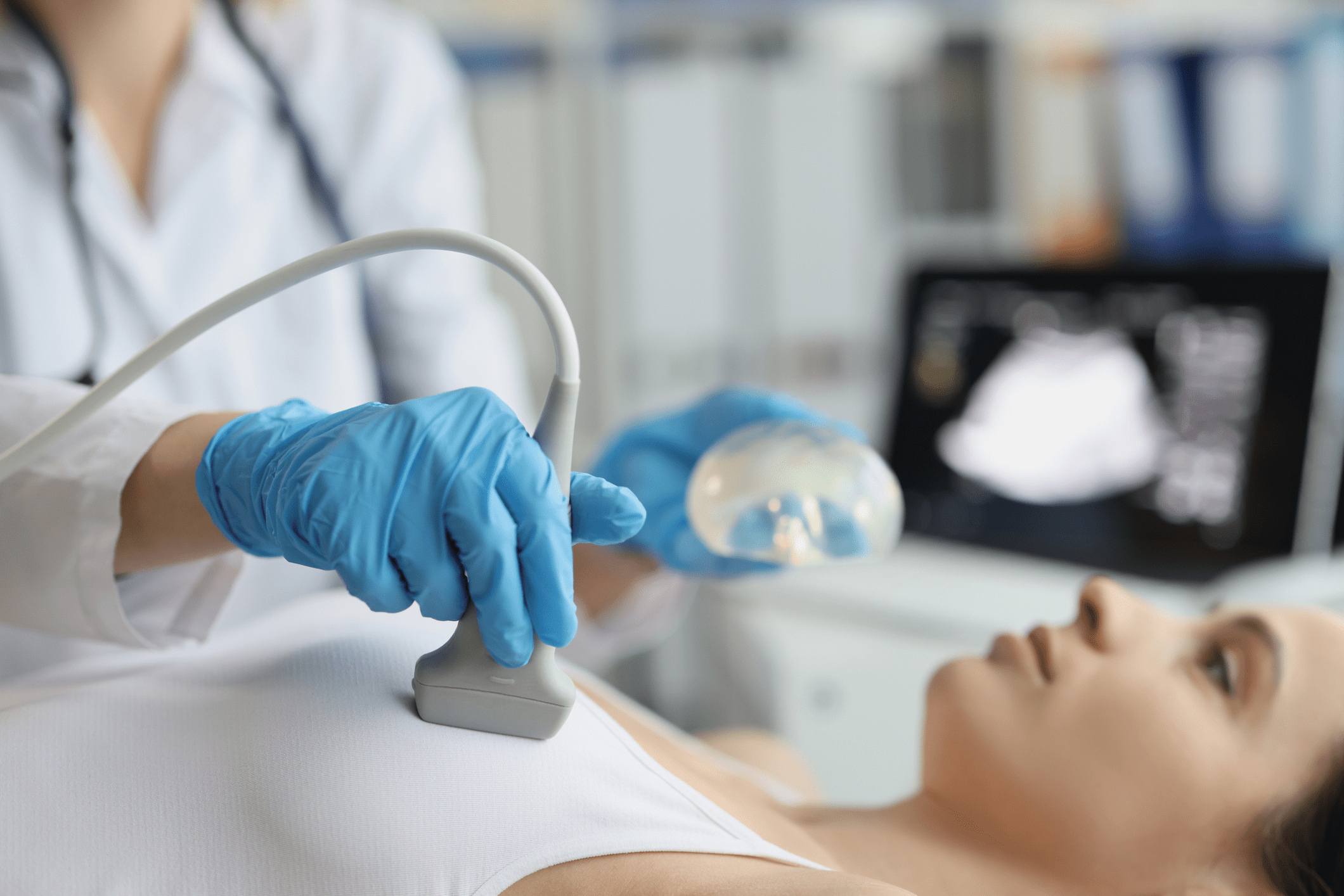
Breast ultrasound at the Harley Street clinic, one direct train from Moorgate
Harley Street Breast Care

How far is the breast clinic from City of London?

The City is further from Harley Street than most of the areas we serve, and easier to reach than several of the closer ones. Moorgate and Barbican sit on the same line as Great Portland Street, which is five minutes on foot from our consulting rooms at 146 Harley Street, W1G 7LD. A same-day one-stop breast clinic appointment runs sixty to ninety minutes from arrival to the results discussion, so the whole thing fits comfortably before the working day starts.

Almost everyone we see from EC1, EC2 and EC3 is working within a few streets of where they set off, and the appointment has to fit around that. It is worth knowing that a one-stop attendance is designed to be the only visit you need unless a biopsy result is pending. If somewhere nearer home is easier, all our London locations are listed in one place.

Which route from City of London is quickest?

The counter-intuitive point about travelling from the City is that the slower train wins. The Circle, Metropolitan and Hammersmith and City lines run from Moorgate and Barbican directly to Great Portland Street, a hundred metres or so from Harley Street, while the faster Elizabeth line drops you at Bond Street with a twelve-minute walk still to do. If you are driving in, the directions and parking for 146 Harley Street cover the car parks and the drop-off point.

Moorgate

Circle, Metropolitan, Hammersmith & City, Northern
one direct train to Great Portland Street, roughly ten minutes, then five minutes on foot. The shortest total journey from the City.

Barbican

Circle, Metropolitan, Hammersmith & City
the same line one stop closer, and the easiest start from EC1 and the Barbican estate.

Liverpool Street

Central, Elizabeth line, National Rail
the Elizabeth line two stops to Bond Street. Quicker on the train, but a twelve-minute walk at the far end. Useful if you are arriving on a main-line service.

Buses and taxis

those routes stop within a few minutes of the clinic on the Marylebone Road and Great Portland Street corridors. A taxi from the City takes twenty-five to thirty-five minutes in working hours, so the Underground is usually faster.

Travel options at a glance

Times are typical off-peak estimates from the station concourse to the clinic door.
FromLines / modeRoute and typical time
MoorgateCircle, Metropolitan, Hammersmith & City, NorthernOne direct train to Great Portland Street, roughly ten minutes, then five minutes on foot. The shortest total journey from the City.
BarbicanCircle, Metropolitan, Hammersmith & CityThe same line one stop closer, and the easiest start from EC1 and the Barbican estate.
Liverpool StreetCentral, Elizabeth line, National RailThe Elizabeth line two stops to Bond Street. Quicker on the train, but a twelve-minute walk at the far end. Useful if you are arriving on a main-line service.
Buses and taxisThose routes stop within a few minutes of the clinic on the Marylebone Road and Great Portland Street corridors. A taxi from the City takes twenty-five to thirty-five minutes in working hours, so the Underground is usually faster.
Booking an early breast appointment by phone from the City of London
Why patients come to us

Why do City of London patients choose private breast care?

From the City the calculation is usually about time rather than money. A conventional pathway for a breast symptom means an appointment to be examined, a separate date to be scanned and a third occasion to be told: three interruptions to a working week, spread across a fortnight, with the uncertainty running underneath all of them. A one-stop assessment does the same work in one attendance and tells you what has been found before you leave the building.

The second reason is who you are dealing with. One surgeon examines you, plans what follows and carries it out. Self-funding patients need no referral letter to book. If a corporate or personal policy is paying, contact the insurer before you call: a GP referral and a pre-authorisation number are almost always needed, and corporate schemes sometimes route claims through an intermediary that adds a day. Where surgery or inpatient care is required it takes place at one of the private hospitals we work with in Marylebone, and there are directions and parking for The London Clinic if that is where your admission is arranged.

Which breast services can City of London patients access?

Private breast screening

mammography and ultrasound with consultant reporting, at whatever interval your history justifies.
Your consultant

Who will I see at the clinic?

Your care is led by Mr Debashis Ghosh, Consultant Breast & Oncoplastic Surgeon — European Board certified in Breast Surgery and in Surgical Oncology, a consultant since 2012, and a former Divisional Director at The London Clinic. He publishes in the surgical literature and sits on national committees, which matters less to most patients than the practical consequence: the person who examines you is the person who operates if an operation is needed.

Mr Debashis Ghosh, Consultant Breast and Oncoplastic Surgeon, Harley Street Breast Care

What does a typical City of London visit involve?

The workable pattern from EC1, EC2 and EC3 is the first appointment of the day. Moorgate or Barbican at about twenty to eight, one train through to Great Portland Street, five minutes on foot, and registration by eight. That gets the whole assessment done before most desks are occupied, and the return journey is against the commuter flow.

The consultation covers history and examination, imaging follows immediately, and any biopsy is taken at the same attendance under local anaesthetic. You are told what the examination and the scans show before you leave. Histology, where a sample has been taken, is reported separately by the laboratory and a discussion is arranged for it — by telephone if getting back across town is awkward. Ninety minutes is a fair allowance; it is rarely longer.

What do City of London patients ask most often?

What is the quickest route from the City to Harley Street?+

Moorgate or Barbican, then a single Circle, Metropolitan or Hammersmith and City line train through to Great Portland Street. That is about ten minutes on the train and five minutes on foot, and in practice it beats the Elizabeth line: Liverpool Street to Bond Street is faster on paper but leaves a twelve-minute walk at the other end. Allow twenty to twenty-five minutes door to door from most EC postcodes.

Can I fit a one-stop appointment around a working day?+

That is what the format is for. Clinic hours are Monday to Friday, 08:00 to 20:00, and a one-stop assessment usually runs sixty to ninety minutes from arrival to the results discussion. An 08:00 appointment has you back in the City well before mid-morning. The alternative on a conventional pathway is three separate half-days: one to be examined, one to be scanned, one to be told. Where a biopsy is taken, the histology follows once the laboratory has reported and we arrange a discussion for it.

At what age should I start private breast screening?+

The NHS programme in England invites women from the age of 50 up to their 71st birthday, every three years. Privately, screening is commonly started at 40, and earlier where there is a family history or another reason to think the risk is above average. What is right for you depends on your history rather than your age alone, which is why private breast screening begins with a consultation rather than a booking form. Below 40, ultrasound is often more informative than mammography because breast tissue tends to be denser.

This page provides general information and does not replace personalised medical advice, diagnosis or treatment. Mr Debashis Ghosh is a GMC-registered Consultant Breast & Oncoplastic Surgeon, GMC No. 4657664.

Sources and further reading

Written by the Harley Street Breast Care clinical team. Clinically reviewed by Mr Debashis Ghosh, Consultant Breast & Oncoplastic Surgeon, FEBS Breast Surgery, FEBS Surgical Oncology, GMC 4657664. Last reviewed .

What our patients say

Verified Doctify reviews published by the clinic, alongside our Google rating.

★★★★★
“The care was always respectful and never patronizing.”
Verified Doctify review
★★★★★
“They were attentive, took the time to answer all my questions, and provided excellent care.”
Verified Doctify review
4.4
★★★★☆
from 21 Google reviews of Mr D B Ghosh, Harley Street
Read them on Google →

Speak to a specialist about the City of London

Most patients are seen within days. Clinic hours are Monday to Friday, 08:00–20:00.